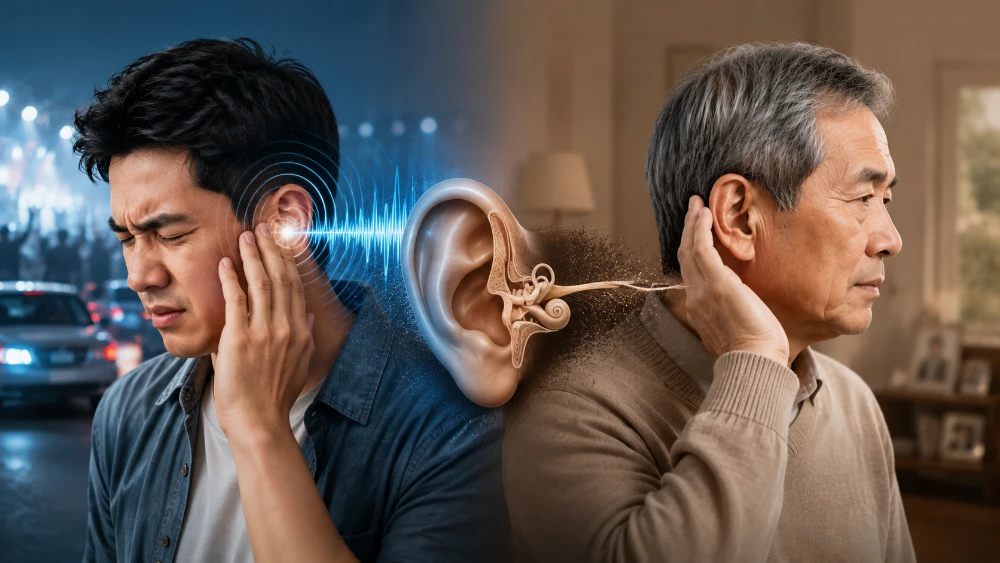
Waking up one day and realising your hearing isn't as clear as usual can be worrying. For many Malaysians, this experience happens after a bad cold, earwax build-up, or exposure to loud noise — and the big question is always:
"What hearing loss type do I have — is this temporary or permanent?"
Understanding your hearing loss type helps you take the right steps early and prevent long-term damage. Let's explore what each type means, what causes them, and when you should see a hearing professional.
Temporary Hearing Loss: One Common Hearing Loss Type
Temporary hearing loss is a hearing loss type that happens when something blocks or interferes with the sound pathway in your ear — but the inner ear and hearing nerve are still healthy. The good news? This type is usually reversible once the cause is treated.
Common causes among Malaysians include:
- Earwax blockage (tahi telinga tersumbat) — especially common in humid weather or after using cotton buds.
- Ear infections such as otitis media (fluid behind the eardrum) or otitis externa (outer ear infection, often from swimming).
- Sudden loud noise exposure, like concerts or fireworks.
- Flu, sinus, or allergies that cause fluid build-up or swelling.
- Water trapped in the ear after swimming or showering ("swimmer's ear").
Symptoms you might notice:
- Ears feel blocked or "full"
- Muffled sounds, like listening underwater
- Temporary ringing (tinnitus)
- Mild dizziness or imbalance
What to Do
Don't try to dig out earwax yourself — this often pushes it deeper. Instead, get a professional ear check.
For earwax removal, blocked ears, or ear infections, you may be referred to a nearby clinic or ENT (Ear, Nose & Throat) specialist for treatment. With proper care, hearing often returns to normal once the blockage or infection clears.
Permanent Hearing Loss: The Other Major Hearing Loss Type
Permanent hearing loss, or sensorineural hearing loss, is a hearing loss type that happens when there's damage to the inner ear (cochlea) or hearing nerve. Unlike temporary loss, this type is usually not reversible, but it can be managed effectively with hearing aids or other hearing solutions.
Common causes include:
- Age-related hearing loss (presbycusis) — gradual hearing decline in adults over 60.
- Prolonged noise exposure — from factories, construction sites, concerts, or loud earphones.
- Certain medications (ototoxic drugs used for infections, cancer, or heart disease).
- Genetic or birth-related conditions.
Symptoms you might notice:
- Struggling to follow conversations, especially in noisy places.
- Saying "ha?" or "apa dia?" frequently.
- Feeling people mumble or speak too softly.
- Needing to turn up the TV or phone volume.
- Persistent ringing (tinnitus).
What to Do
If these signs persist for more than a few days, it's best to get a hearing test. Even if your hearing loss type turns out to be permanent, early detection and hearing aid fitting can dramatically improve communication, confidence, and quality of life.
At GHCC, we offer advanced hearing aids from trusted brands and tailor each solution to your hearing profile and lifestyle.
How to Tell Which Hearing Loss Type You Have
Sometimes, telling your hearing loss type apart isn't obvious — especially if it happens suddenly. A comprehensive hearing assessment by a certified audiologist is the only way to know for sure.
At Global Hearing Care Centre, your hearing check includes:
- Visual ear examination (to rule out wax or infection)
- Hearing threshold testing
- Speech understanding assessment
- Professional advice on your hearing loss type — whether it's temporary or permanent — and what steps to take next.
Don't Wait — Hearing Loss Can Worsen if Ignored
Even mild hearing loss can strain your brain and affect social interaction. Many Malaysians delay testing because they assume "it's just earwax," but by the time they check, permanent damage has already occurred.
If your hearing hasn't improved after a few days, especially after flu, noise exposure, or swimming — get your hearing loss type checked professionally.
Get your hearing test with Global Hearing Care Centre. Our detailed hearing test identifies your exact hearing loss type, so you know exactly what you're dealing with and what to do next. With centres across West Malaysia, professional care is never far away.
Because early testing can be the difference between temporary recovery and lifelong hearing loss.
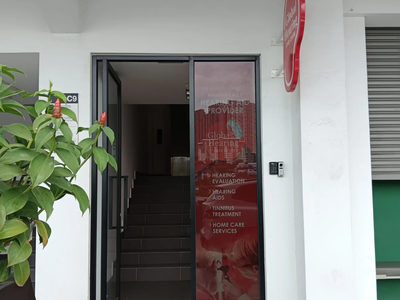
GHCC BUKIT JALIL
Address: C-2-9, Aurora Place, Persiaran Jalil, Bandar Bukit Jalil, Kuala Lumpur, Malaysia, 57000
Opening Hour:
Mon to Sat: 9:00 am – 6:00 pm
Closed on Sundays

GHCC PETALING JAYA (Skyzen)
Address: F125A & F125B, The Starling Mall, Level 1, No 6, Jalan SS 21/37
Opening Hour:
Sun - Thu: 10.00am - 7.00pm
Fri - Sat: Closed

GHCC SETIA ALAM
Address: Seksyen U13, 28G, Jalan Setia Utama AS U13/AS, Setia Alam
Opening Hour:
Mon - Friday: 9:00am - 6:00pm
Saturday: 9:00am - 1:00pm
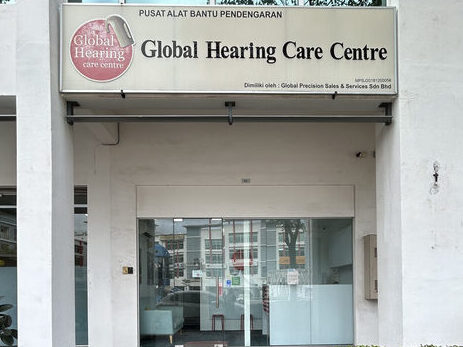
GHCC SERI KEMBANGAN
Address: No.1, C-9-G, Pusat Perniagaan The Atmosphere
Opening Hour:
Mon - Friday: 9:00am - 6:00pm
Saturday: 9:00am - 1:00pm
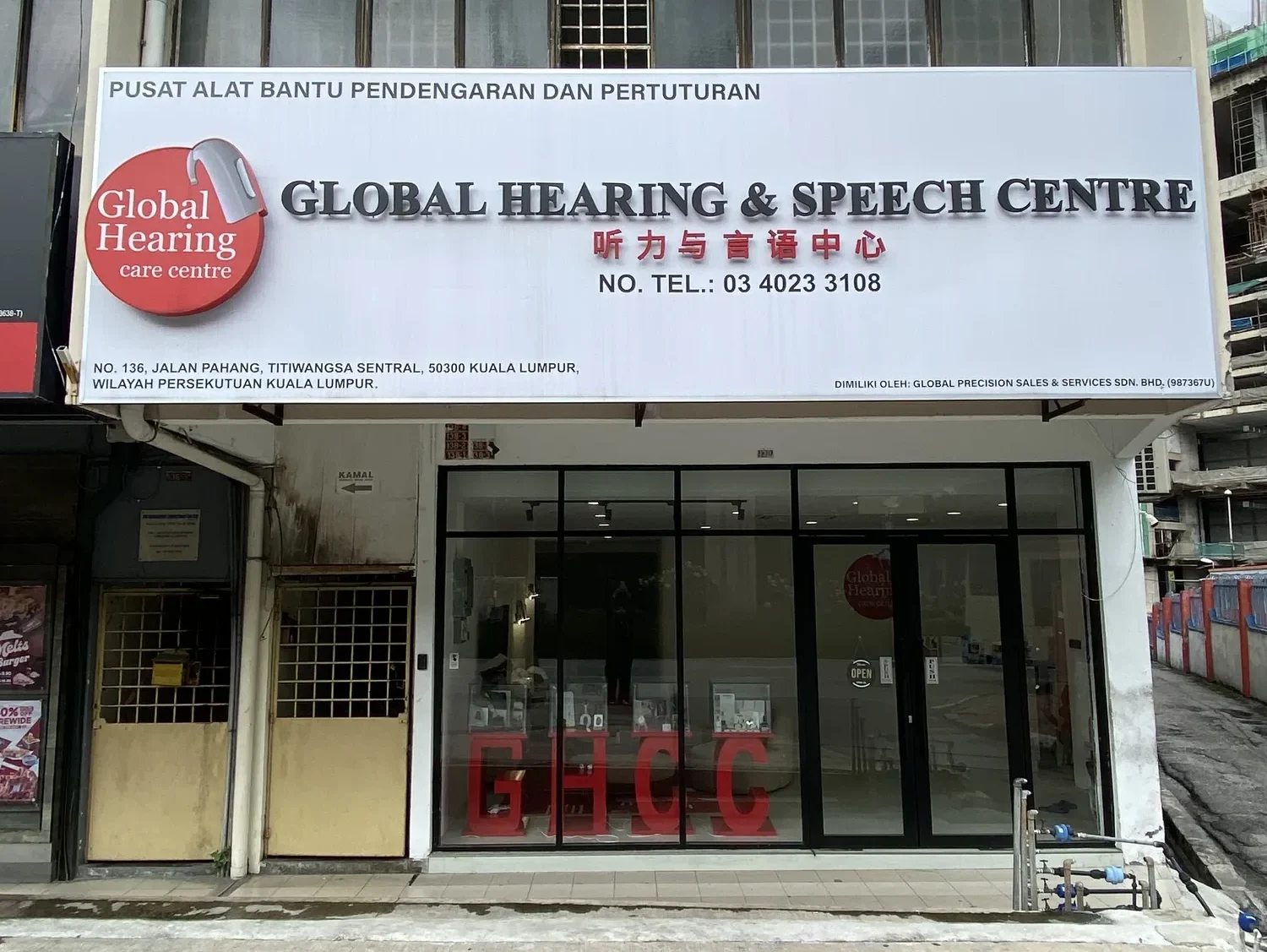
GHCC KUALA LUMPUR
Address: 138, Jalan Pahang, Off, Jalan Pekeliling
Opening Hour:
Mon - Friday: 9:00am - 6:00pm
Saturday: 9:00am - 1:00pm
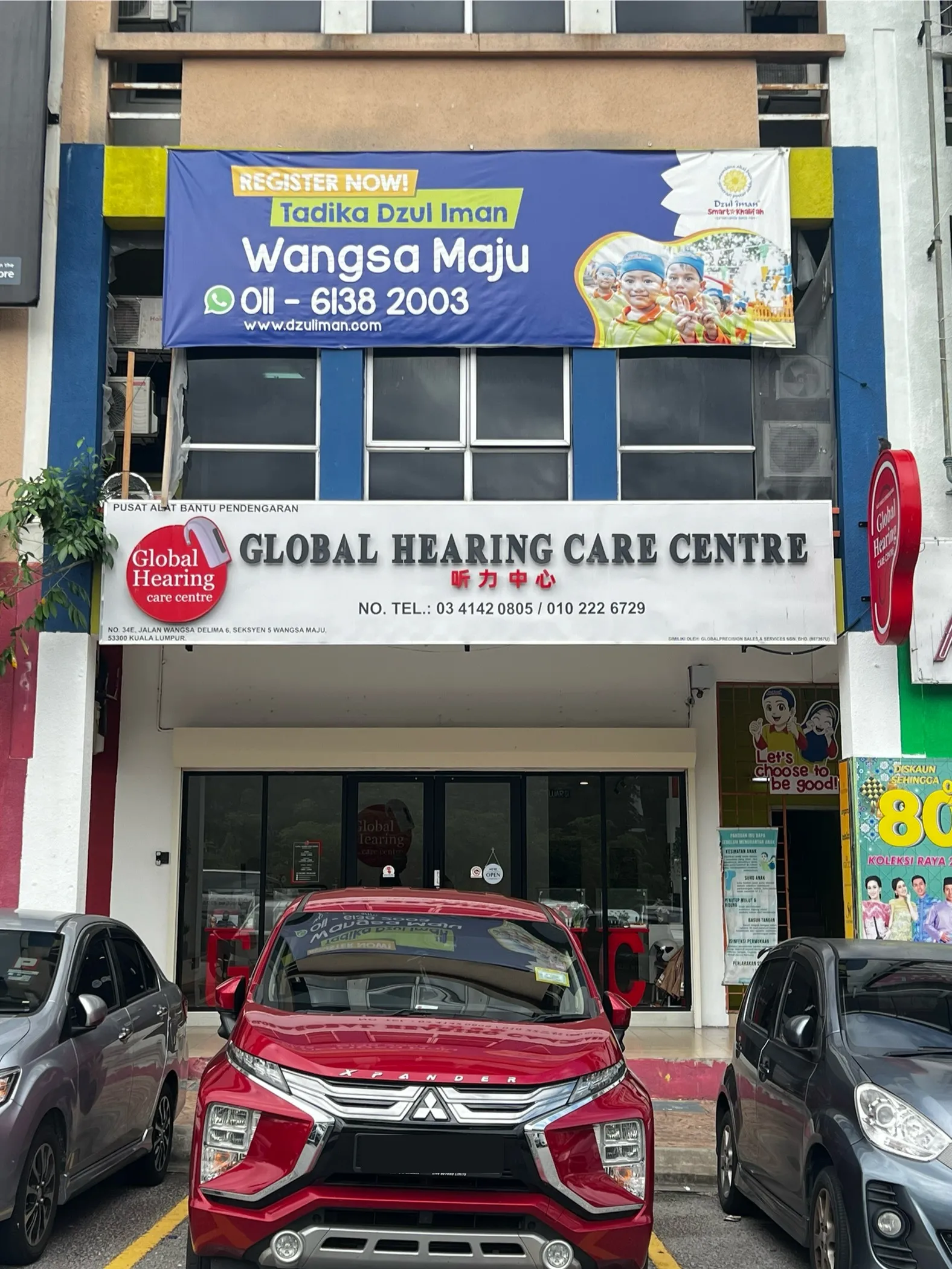
GHCC WANGSA MAJU
Address: 34E-0-5, Jalan Wangsa Delima 6
Seksyen 5, Wangsa Maju
Opening Hour:
Mon - Friday: 9:00am - 6:00pm
Saturday: 9:00am - 1:00pm
Frequently Asked Questions About Hearing Loss Type
1. How do I know what hearing loss type I have?
The only reliable way to know your hearing loss type is through a professional hearing assessment. An audiologist will examine your ear canal, run hearing threshold tests, and check speech understanding to determine whether you're dealing with temporary or permanent hearing loss.
2. What is the difference between temporary and permanent hearing loss?
Temporary hearing loss is usually caused by a blockage (like earwax or fluid) and clears up once the underlying issue is treated. Permanent hearing loss, or sensorineural hearing loss, involves damage to the inner ear or hearing nerve and does not reverse on its own, though it can be managed with hearing aids.
3. Can temporary hearing loss become permanent if left untreated?
Yes. While temporary hearing loss is reversible on its own, ignoring persistent symptoms — especially after infections or prolonged loud noise exposure — can sometimes lead to lasting damage. If symptoms last more than a few days, it's best to get checked rather than wait it out.
4. Where can I go to check my ears for blocked or infected ears?
For blocked ears, earwax buildup, or ear infections, you can visit a nearby clinic or an ENT (Ear, Nose & Throat) specialist for treatment. For hearing evaluation and identifying your hearing loss type, a hearing centre like Global Hearing Care Centre is the right place to go.
5. Where can I get a hearing test to identify my hearing loss type?
You can book a detailed hearing test at Global Hearing Care Centre, with centres located across West Malaysia. The assessment includes a visual ear exam, hearing threshold testing, and speech understanding assessment to pinpoint your exact hearing loss type.