
At Global Hearing Care Centre, we often hear Malaysians say, “I can hear, but sometimes I don’t really understand.”
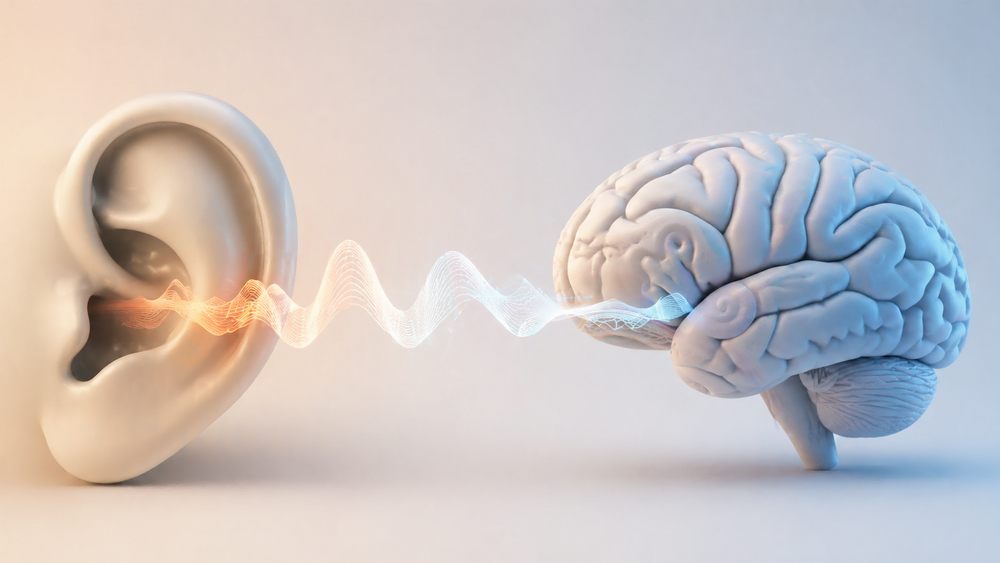
That’s because hearing isn’t just about your ears. It’s a fascinating journey from sound waves traveling through your ear to your brain interpreting them as speech, music, or alert signals.
Understanding how hearing works helps you notice early signs of changes, take care of your ears, and make informed decisions about hearing aids or treatments if needed.
That’s because hearing isn’t just about your ears. It’s a fascinating journey from sound waves traveling through your ear to your brain interpreting them as speech, music, or alert signals.
Understanding how hearing works helps you notice early signs of changes, take care of your ears, and make informed decisions about hearing aids or treatments if needed.
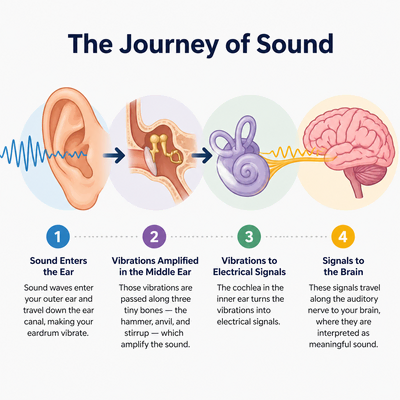
The Journey of Sound
Hearing starts when sound waves enter your outer ear. These waves travel down the ear canal and make your eardrum vibrate.
Those vibrations are passed along three tiny bones in the middle ear: the hammer, anvil, and stirrup, which amplify the sound.
Next, the cochlea in the inner ear turns the vibrations into electrical signals.
These signals travel along the auditory nerve to your brain, where they are interpreted as meaningful sound.
Think of it like a concert: your outer ear is the microphone, your middle ear is the sound system, and your brain is the DJ mixing and making sense of the music.
Those vibrations are passed along three tiny bones in the middle ear: the hammer, anvil, and stirrup, which amplify the sound.
Next, the cochlea in the inner ear turns the vibrations into electrical signals.
These signals travel along the auditory nerve to your brain, where they are interpreted as meaningful sound.
Think of it like a concert: your outer ear is the microphone, your middle ear is the sound system, and your brain is the DJ mixing and making sense of the music.
What is a Hearing Aid?
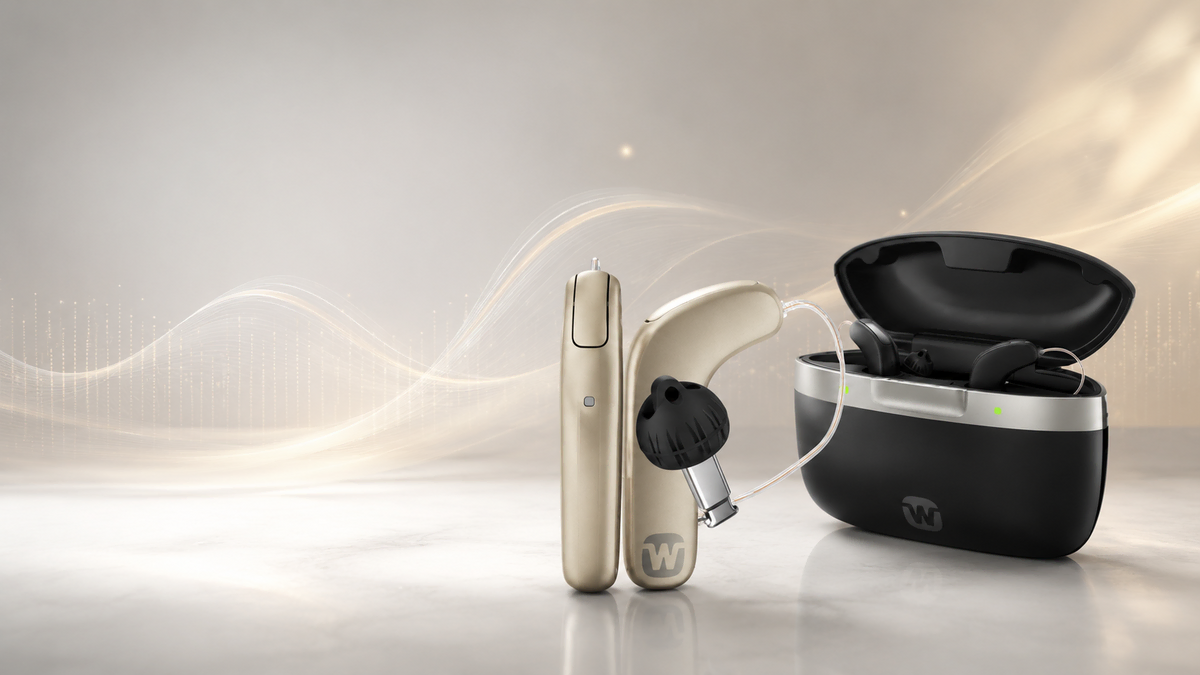
A hearing aid is a small electronic device designed to amplify sound and improve hearing for people with hearing loss.
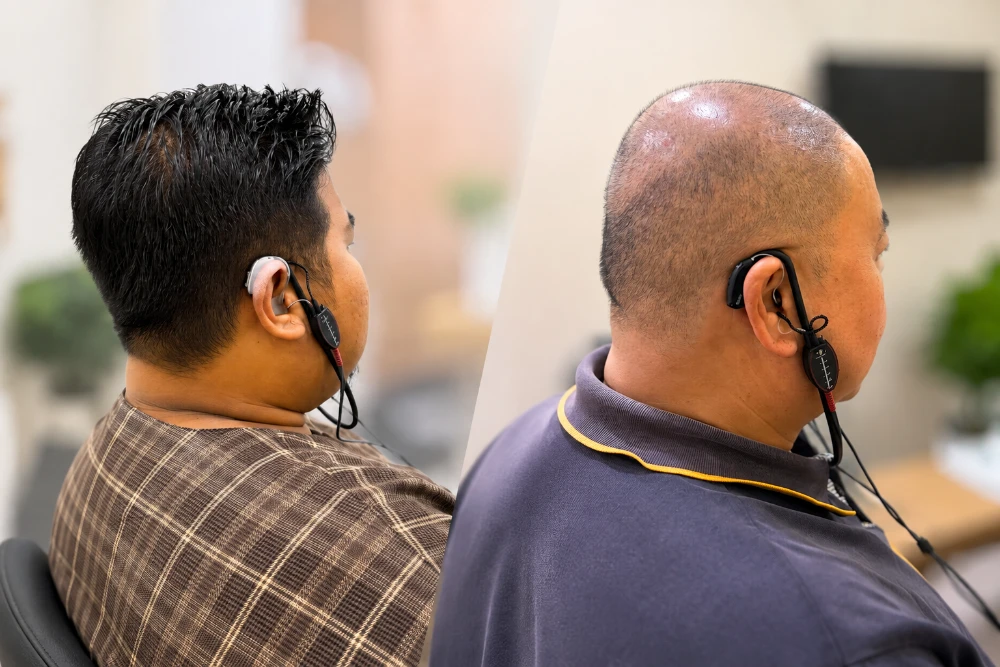
Hearing aids are worn in or behind the ear and help enhance sounds, making speech and environmental noises clearer and more distinct.
These devices are often used by people who experience hearing difficulties, ranging from mild to severe, in order to restore or improve their ability to hear everyday sounds, engage in conversations, and enjoy life.
Hearing aids are worn in or behind the ear and help enhance sounds, making speech and environmental noises clearer and more distinct.
These devices are often used by people who experience hearing difficulties, ranging from mild to severe, in order to restore or improve their ability to hear everyday sounds, engage in conversations, and enjoy life.
How Does Hearing Aid Work?
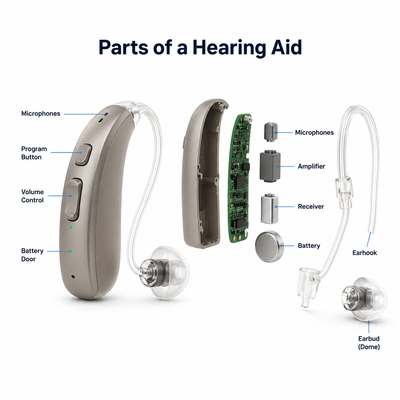
A hearing aid works by amplifying sound waves, making them louder and clearer for people with hearing loss. The process begins when the microphone inside the hearing aid picks up sounds from the environment.
These sounds are then converted into digital signals, which are processed and amplified by the device.
The amplified signals are sent to the speaker, which delivers the sound directly into the ear.
The hearing aid may also include various settings to filter out background noise and enhance speech, depending on the type and model.
This allows individuals to hear more comfortably in different environments, improving their overall listening experience.
These sounds are then converted into digital signals, which are processed and amplified by the device.
The amplified signals are sent to the speaker, which delivers the sound directly into the ear.
The hearing aid may also include various settings to filter out background noise and enhance speech, depending on the type and model.
This allows individuals to hear more comfortably in different environments, improving their overall listening experience.
How Hearing Helps in Daily Life
Hearing is more than catching words. It helps you:
- Understand speech in noisy environments like markets, schools, or restaurants
- Enjoy music, movies, and everyday sounds
- Stay alert to danger, such as approaching traffic or alarms
- Connect with friends, family, and the community
Even small hearing difficulties can affect communication, confidence, and social life.
Common Challenges
Many people in Malaysia experience:
- Difficulty hearing in noisy places, especially when using public transport or in busy offices
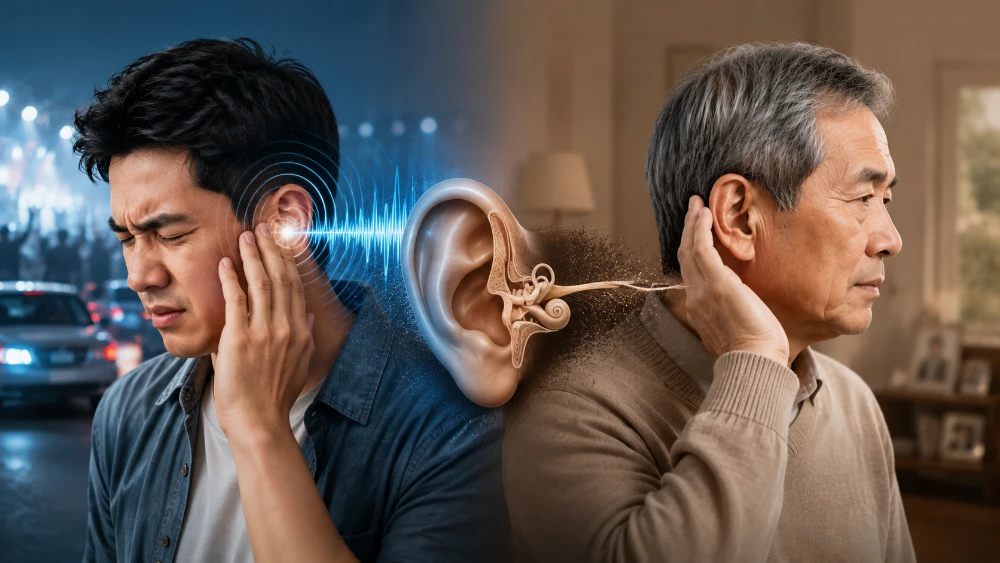
- Tinnitus, or ringing in the ears, often caused by prolonged exposure to loud sounds
- Age-related hearing loss, which gradually reduces the ability to catch high-pitched sounds
- Noise-induced hearing loss from headphones, concerts, or industrial environments
Noticing these signs early is key to preventing long-term problems.
Why Early Understanding Matters
When you understand how hearing works, it’s easier to spot changes in yourself or your loved ones.
Early detection means treatment can be more effective, whether it’s ear care, hearing aids, or lifestyle adjustments.
Early detection means treatment can be more effective, whether it’s ear care, hearing aids, or lifestyle adjustments.
At Global Hearing Care Centre, our audiologists provide advanced tests to measure hearing levels accurately and guide you to solutions that fit your lifestyle.
Take Action for Better Hearing
Your ears and brain work together in an amazing way. Protecting your hearing and addressing any issues promptly can improve your quality of life significantly. If you’ve noticed any hearing difficulties, it may be time to explore hearing aids.
Explore the latest hearing aids or check your hearing today at Global Hearing Care Centre.

Intent

Own

CROS

More

Smart RIC

G6

G7
Frequently Asked Questions
1. How Does a Digital Hearing Aid Amplify Sound?
A digital hearing aid amplifies sound through three core components: a microphone, a digital signal processor (DSP), and a speaker (receiver).
- Sound Collection — The microphone captures sound waves and converts them into digital electrical signals.
- Smart Processing — Unlike analog aids that simply make everything louder, the DSP analyzes the signals using algorithms to selectively amplify frequencies where the user has hearing loss, while filtering out background noise and feedback. It essentially tailors sound to the wearer's unique hearing profile.
- Sound Output — The processed signals are converted back into sound waves by the receiver and delivered directly into the ear canal for clearer perception.
Modern digital hearing aids also include bonus features like automatic environment adjustment, directional microphones, and smartphone connectivity for personalized fine-tuning.
2. How Do Modern Personal Sound Amplifiers Process Sound?
At their core, personal sound amplifiers take a weak audio signal and boost it so sound can be heard clearly — but modern versions do far more than just raise the volume.
- Signal Input — Audio from a source (microphone, phone, music player) produces a faint electrical signal that's too weak to drive speakers on its own.
- Amplification — The amplifier increases the signal's amplitude (the strength of the sound wave), essentially making the peaks and troughs of the waveform much larger — resulting in louder, fuller sound.
- Output to Speaker — The boosted signal is sent to speakers or headphones, causing the cones to vibrate and produce the sound waves your ears perceive.
- Sound Shaping — This is where modern amplifiers stand out. They go beyond volume by:
- Reducing distortion for cleaner audio
- Equalization (EQ) to adjust tone and frequency balance
- DSP (Digital Signal Processing) for advanced features like limiters, compressors, and crossovers
- Power regulation to protect speakers from damage